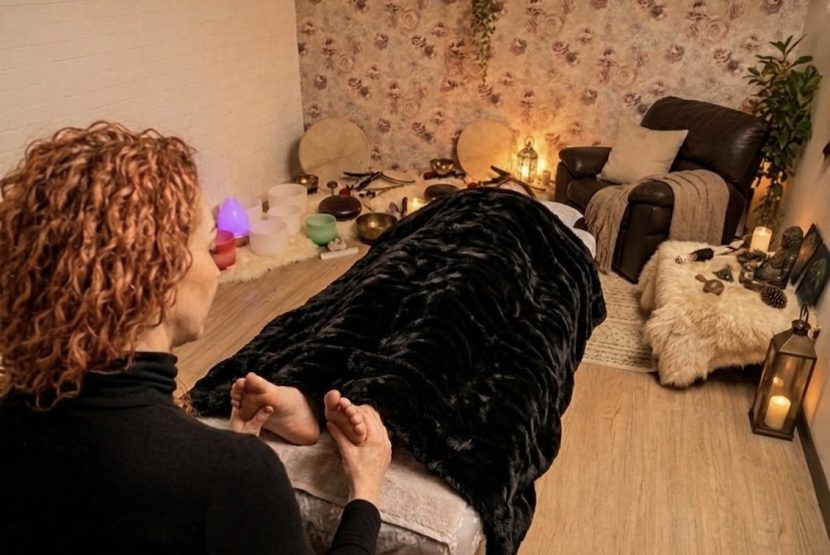
Clinical Reflexology at Peace of Mind Health, Hinckley
There is something extraordinary about what can happen in a clinical reflexology session.
You arrive carrying the weight of everything the stress, the tension, the thing you can’t quite name that’s been sitting in your body for weeks. And somewhere in the stillness of the treatment, something begins to shift.
Clinical Reflexology at Peace of Mind Health is not a foot massage. It is a precise, intelligent, deeply therapeutic energy and bodywork practice. It rooted in ancient wisdom and supported by an ever growing body of modern research. Clinical Reflexology works with the body’s own systems to restore balance, ease and function.
Jeni holds a Level 5 Clinical Reflexology Mastership — the highest qualification available in the UK — alongside specialist training in fertility, maternity, lymphatic drainage and cancer care. This is not standard reflexology. It is clinical-grade work with the depth and breadth to support complex presentations that many practitioners simply cannot reach.
Peace Of Mind Health
How Reflexology Works
Reflexology is based on the understanding that specific points and zones on the feet, hands and ears correspond to every organ, system and structure in the body. By applying precise therapeutic pressure and energy to these reflex points, a skilled practitioner can influence the corresponding areas — encouraging circulation, releasing tension, supporting lymphatic drainage and activating the body’s own healing intelligence.
What makes Clinical Reflexology different from a standard treatment is the depth of assessment and focussed intention behind the work. Each session begins with a detailed consultation.
Every response the body gives during treatment is observed, interpreted and worked with. This is a dialogue with the body not just a routine.
At its heart, reflexology works through the nervous system. The feet are extraordinarily rich in nerve endings , among the most densely innervated parts of the body.
Therapeutic touch here sends signals directly to the brain and autonomic nervous system, shifting the body from a state of sympathetic activation (stress, tension, fight-or-flight) into parasympathetic dominance ( the rest-and-restore state ) in which genuine healing becomes possible.
What Clinical Reflexology Can Help With
Because reflexology works through the nervous system and the body’s energy pathways, its reach is genuinely wide. Conditions and experiences commonly supported include:
- Stress, anxiety and nervous system dysregulation
- Burnout and chronic fatigue
- Fibromyalgia, ME and Long Covid
- Hormonal imbalance and menstrual difficulties
- Fertility support
- Pregnancy and birth preparation
- Digestive disorders and IBS
- Migraines and chronic headaches
- Sleep difficulties and insomnia
- Lymphoedema and water retention
- Diabetes and circulatory issues
- Chronic pain and inflammation
- Cancer support and palliative care
- General wellbeing and preventative health
Many clients come to reflexology after years of managing symptoms without resolution , and find that working at this level of the body’s intelligence reaches something that other approaches have not.
Specialist Areas
Fertility & Maternity Reflexology
Jeni holds specialist qualifications in Fertility, Maternity and Hormonal Balance Reflexology. This deeply supportive work accompanies clients through every stage of the reproductive journey — from preparing the body for conception, through pregnancy and birth preparation, to postnatal recovery and hormonal rebalancing.
The testimonials from fertility clients speak for themselves. This work is gentle, non-invasive, and profoundly attuned to the body’s own rhythms and readiness.
Reflexology Lymphatic Drainage (RLD)
RLD is an award-winning specialist technique developed specifically to stimulate the lymphatic reflexes on the feet, encouraging the movement of lymphatic fluid and supporting the immune system. It is used in both NHS and private clinical settings and is particularly effective for:
- Breast cancer-related lymphoedema
- Autoimmune conditions including Lupus, MS, Rheumatoid Arthritis, Addison’s, Coeliac disease and Type 1 Diabetes
- Post-surgical swelling and recovery
- Chronic inflammation
Cancer & Palliative Care Reflexology
Jeni is trained in the specialist application of reflexology for people living with cancer and those in palliative care. This work is adapted, gentle and deeply attentive — supporting quality of life, easing treatment side effects, reducing anxiety and offering a space of genuine comfort and care.
The Research
Reflexology has been the subject of scientific study across institutions worldwide. Research supports its effectiveness across a range of conditions including stress and anxiety, sleep disorders, fertility, pain management, blood pressure regulation, MS, IBS and cancer support.
Studies have been conducted at institutions including the University of Wales, University of Hull, University of Ulster, Pusan National University, Thomas Jefferson University and Tri-Service Hospital Taipei, among many others.
Reflexology is increasingly recognised as a valuable complement to conventional healthcare — supporting the body’s own healing processes without interfering with medical treatment.
For a comprehensive overview of global reflexology research: www.reflexologyresearch.net
What to Expect in a Session
You arrive, you are welcomed, and you are heard. Every session begins with a conversation — about what you are experiencing, what has been present in your body, what you are hoping for.
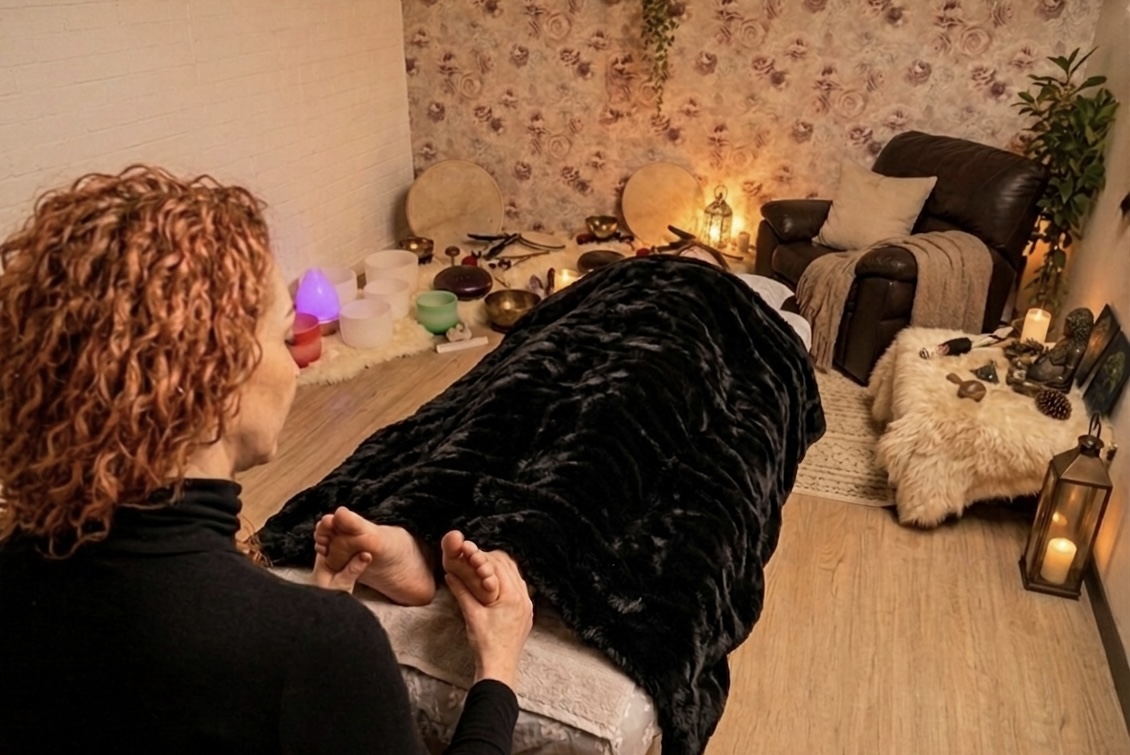
You then lie fully clothed and deeply supported on the treatment couch. The work is done entirely through the feet . There are no oils, no undressing, nothing unfamiliar. Many clients describe the experience as unlike anything they have felt before. A deep settling. A sense of the body being truly listened to.
Sessions are 45 or 70 minutes. Most clients notice something shifting from the very first session — though for more complex or chronic presentations, a course of sessions allows the work to build and deepen over time.
Aftercare
In the hours following your session:
- Drink plenty of water to support the body’s natural processing
- Rest where possible and be gentle with yourself
- Avoid caffeine and alcohol for the rest of the day
- Eat lightly and nourish yourself with care
You may notice a healing response in the 24 to 48 hours following treatment — mild tiredness, increased emotion, or a temporary shift in symptoms before they ease. This is the body integrating and rebalancing. It is entirely normal and a positive sign that the work is moving.
Ready to Begin?
If you are curious about whether reflexology might support what you are carrying right now, Jeni would love to have a conversation. There is no obligation — just a genuine and unhurried space to explore what might help.
Get in touch for a confidential chat |
Read client stories |
View treatments & pricing
Based in Hinckley, Leicestershire. Tel: 07531 191 688 | [email protected] | www.peaceofmindhealth.co.uk
“Be free… Be happy… Be healthy.”